Why Vertical Integration Matters
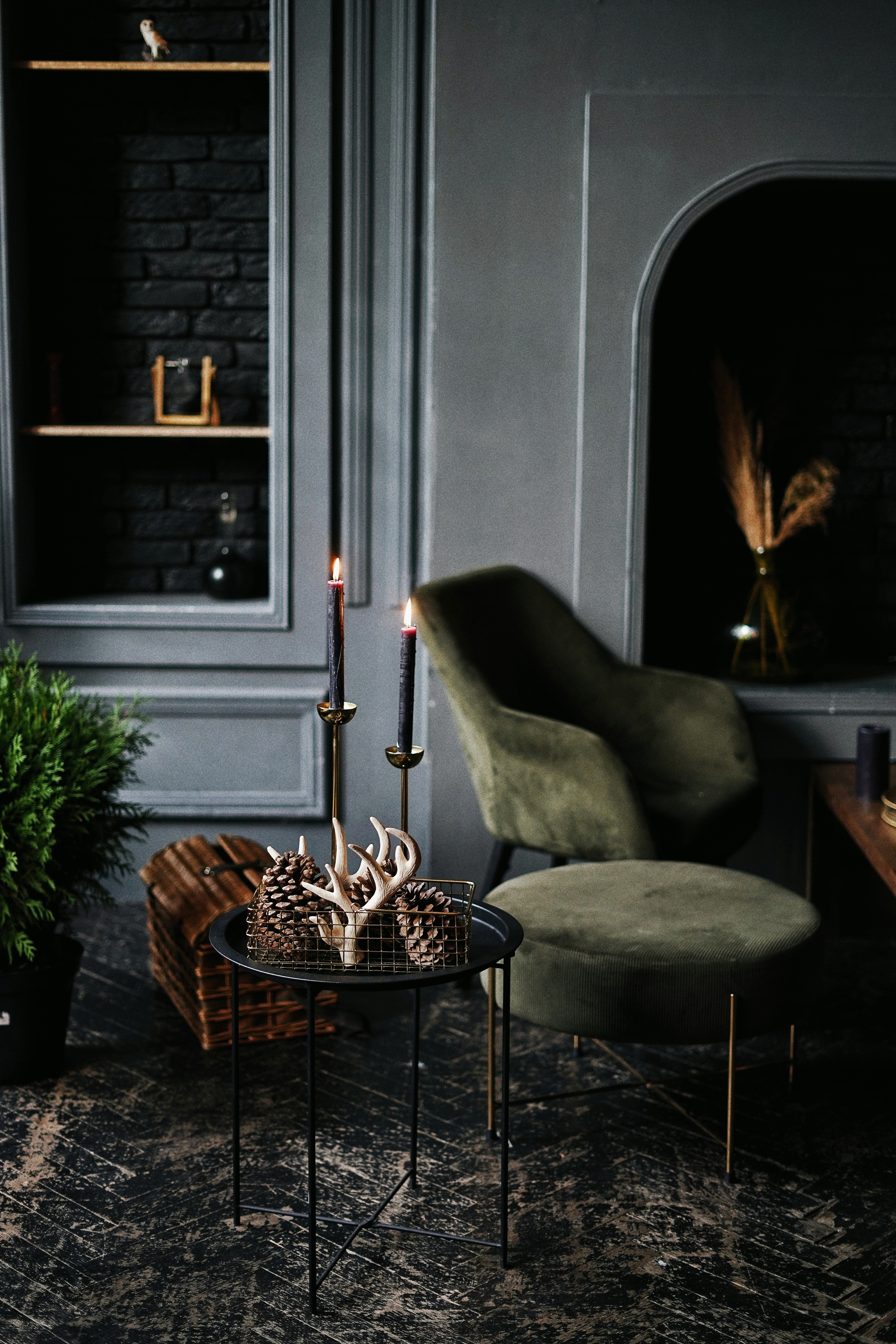
There is a moment in every well-designed space when the light shifts — when the afternoon sun cuts across a stone surface, or a warm pendant casts its glow across a dining table at dusk — and the room becomes something else entirely. Not just a room. An experience.
Lighting is the most underestimated tool in interior design. Clients often come to us fixated on materials, furniture, and colour palettes. All important. But lighting is the element that governs how every other decision is perceived. A beautiful marble surface under harsh overhead light reads cold and institutional. The same marble under warm, layered lighting feels luxurious and alive.
The three layers every space needs
Good lighting design works in three layers: ambient, task, and accent. Ambient light provides the base — the general illumination that fills a room. Task lighting serves function — reading lamps, under-cabinet kitchen lighting, bathroom vanity lights. Accent lighting does the emotional work — it highlights architecture, artwork, texture, and depth.
Most spaces get the first layer right and neglect the other two. The result is a room that is bright but flat. Functional but forgettable.
Temperature matters more than brightness
Colour temperature — measured in Kelvin — determines whether a light source feels warm or cool. Spaces designed for rest and intimacy, like bedrooms and living rooms, benefit from warmer tones in the 2700–3000K range. Workspaces and kitchens can handle cooler, more energising light around 3500–4000K.
Getting this wrong is one of the most common mistakes in residential design. A living room lit at 5000K — the temperature of daylight — will never feel relaxing, no matter how carefully the furniture has been chosen.
Dimmers are non-negotiable
The ability to control intensity is what allows a single space to serve multiple moods. A dining room at full brightness for a family lunch. The same room dimmed low for an evening with guests. Dimmers cost very little relative to the overall project budget and deliver an outsized return in how a space feels day to day.
The fixture is the last decision, not the first
Most people choose a light fixture because they love how it looks. That is not wrong — a beautiful pendant or sculptural floor lamp can anchor a room visually. But the fixture should be chosen after the lighting strategy is set, not before. What wattage is needed? What colour temperature? What beam angle? These questions come first. The aesthetic comes after.
At Hèvre Studio, we treat lighting design as a discipline in its own right — not an afterthought. Because in our experience, the spaces that feel truly exceptional are almost always the ones where someone paid careful attention to the light.