Linen vs. Pure Cotton
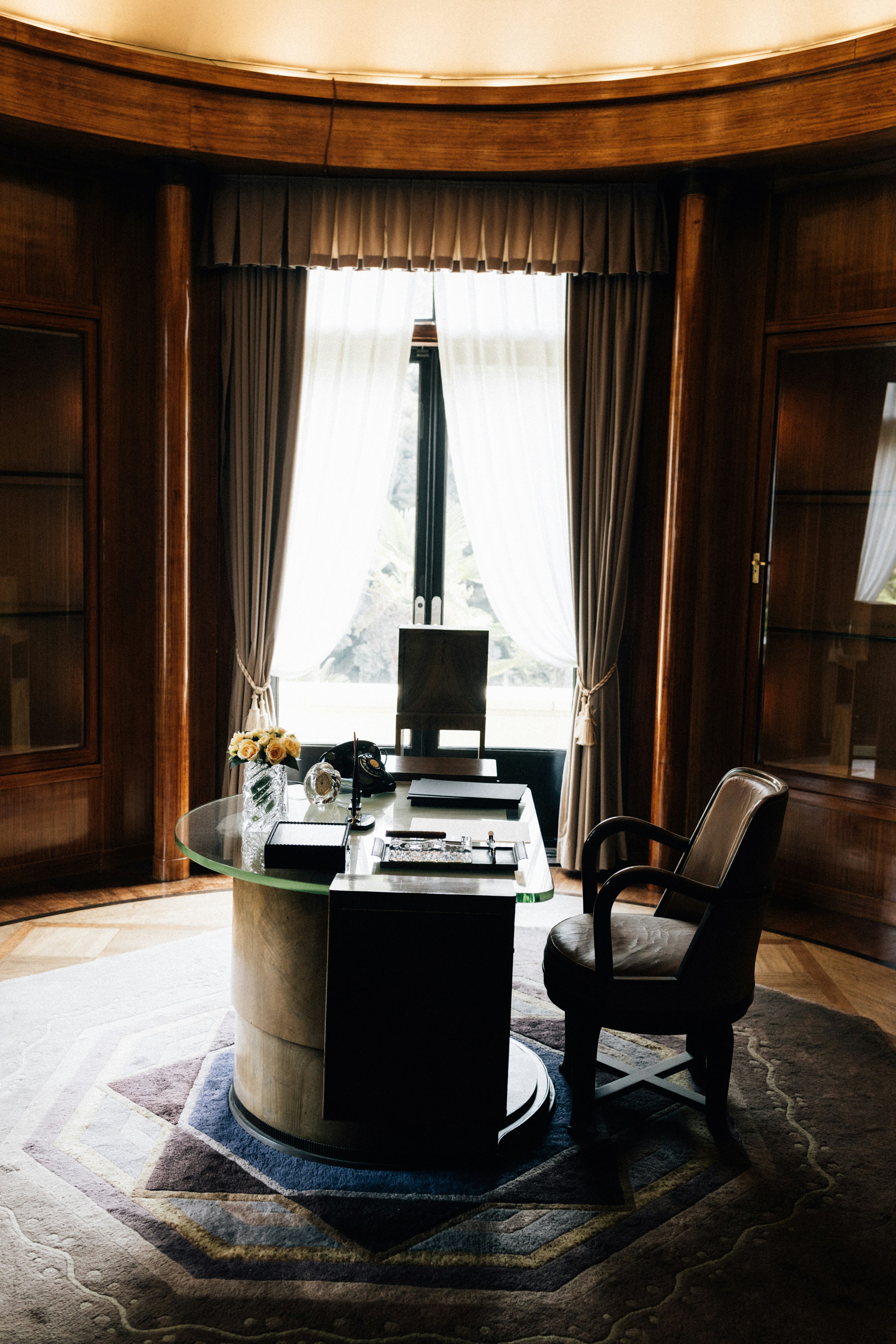
The office has changed more in the last five years than in the previous fifty. Remote work, hybrid schedules, and a fundamental shift in how people relate to their working environment have forced a rethinking of what a workplace is actually for.
The answer that has emerged is both simple and demanding: the office must be worth showing up to.
Function is the floor, not the ceiling
A workspace that functions well — good ergonomics, adequate lighting, reliable acoustics — meets the minimum requirement. It does not create loyalty, culture, or the kind of environment that attracts and retains talent. Function is the starting point.
What sits above function is experience. How does it feel to walk into the space in the morning? Is there a sense of arrival — of entering somewhere considered and purposeful? Does the environment communicate something about the values of the organisation it houses?
These are design questions. And the companies that are asking them are the ones building workplaces people choose to come to.
The zones that every office needs
The most effective commercial workspaces we design at Hèvre operate across three distinct zones: focus, collaboration, and restoration.
Focus zones are quiet, distraction-minimal spaces for deep work. Collaboration zones are open, flexible, and designed to facilitate interaction — informal meetings, creative sessions, chance conversations. Restoration zones — often overlooked — are spaces to decompress: a well-designed kitchen, a lounge area, somewhere to step away from a screen without stepping out of the building.
The balance between these zones varies by organisation. A creative agency needs more collaboration space. A law firm needs more focus space. Understanding the working culture of the client is the first step in any commercial brief we take on.
Materiality signals culture
The materials used in a workplace communicate something about the organisation that inhabits it. Exposed concrete and raw steel signal one set of values. Warm timber and woven textiles signal another. Neither is right or wrong — but both are intentional choices that shape how employees and visitors perceive the brand.
At Hèvre Studio, we approach every commercial project as a brand exercise as much as a design exercise. The space is the most tangible expression of what an organisation stands for. It deserves to be treated that way.