Prints, Knits, and Beyond
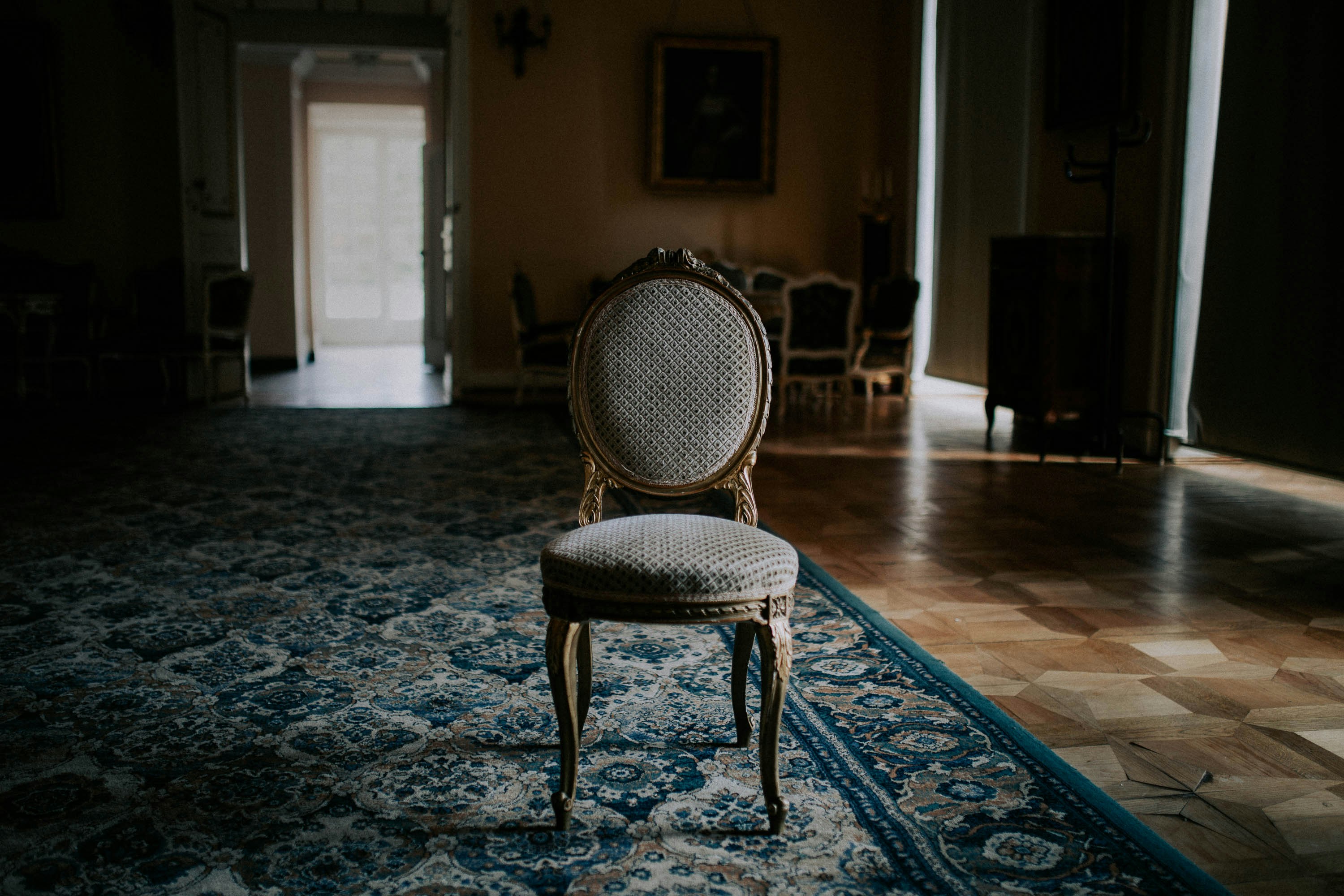
Long after the furniture has been rearranged and the paint has been refreshed, the materials remain. Stone floors. Timber joinery. The brass handle on a door used a hundred times a day. Materials are the longest-lasting decisions in any interior project — and the ones most often made too quickly.
Start with how it feels, not how it looks
The first question to ask about any material is not aesthetic — it is tactile. How does it feel underfoot? In your hand? Against your skin? Materials that feel good to interact with daily create spaces that feel good to live in. Materials chosen purely for visual impact often disappoint in use.
Linen upholstery feels different from velvet. Honed marble feels different from polished marble. Oiled timber feels different from lacquered timber. These distinctions matter — not just for comfort, but for the overall sensory atmosphere of a space.
Consider how it ages
Some materials age beautifully. Solid timber develops patina. Unlacquered brass oxidises into warmth. Natural stone acquires character with use. Others degrade — cheap veneers peel, synthetic materials yellow, poorly finished metals corrode.
At Hèvre Studio, we have a strong bias toward materials that improve with time. Not because we are opposed to contemporary finishes, but because the spaces we design are intended to last — and the materials we specify should be able to keep up.
Restraint in the palette
The most common material mistake in residential design is using too many. A floor, a wall finish, a worktop material, a joinery finish, soft furnishings — each one introduced without reference to the others produces a space that feels busy and unresolved.
The strongest material palettes are built around two or three primary materials, with one or two accents used sparingly. The primary materials do the heavy lifting — they set the tone and cover the most surface area. The accents punctuate without competing.
Budget where it counts
Not all materials need to be premium. The skill is in knowing where quality matters most. High-traffic floors, kitchen worktops, bathroom surfaces, and door hardware are touched and seen constantly — they are worth investing in. Secondary surfaces and hidden details can absorb cost savings without affecting the overall quality of the space.
At Hèvre Studio, material selection is one of the most considered parts of our design process. We present curated palettes — not catalogues — because the decision deserves that level of attention. The right material in the right place is one of the quietest and most enduring forms of good design.